Looking for SoftWave Therapy in Burlington?
Oakville Is Closer Than You Think!
When you’re dealing with persistent knee pain, a nagging shoulder injury, or heel pain that refuses to settle down, finding the right treatment can become frustrating. Burlington has plenty of healthcare providers, but locating a clinic that offers a specific treatment such as SoftWave therapy can require looking beyond the city limits.
Fortunately, Burlington residents don’t need to travel far. Just east of Burlington, Foundation Chiropractic Co. offers SoftWave therapy in Oakville, providing a convenient nearby option for people interested in this non-invasive approach to managing musculoskeletal pain and injuries.
For anyone already accustomed to travelling between Burlington and Oakville for shopping, appointments, or work, visiting a clinic on Ford Drive is a relatively straightforward trip. And when a particular treatment isn’t readily available close to home, that short drive may be worth considering.
What Exactly Is SoftWave Therapy?
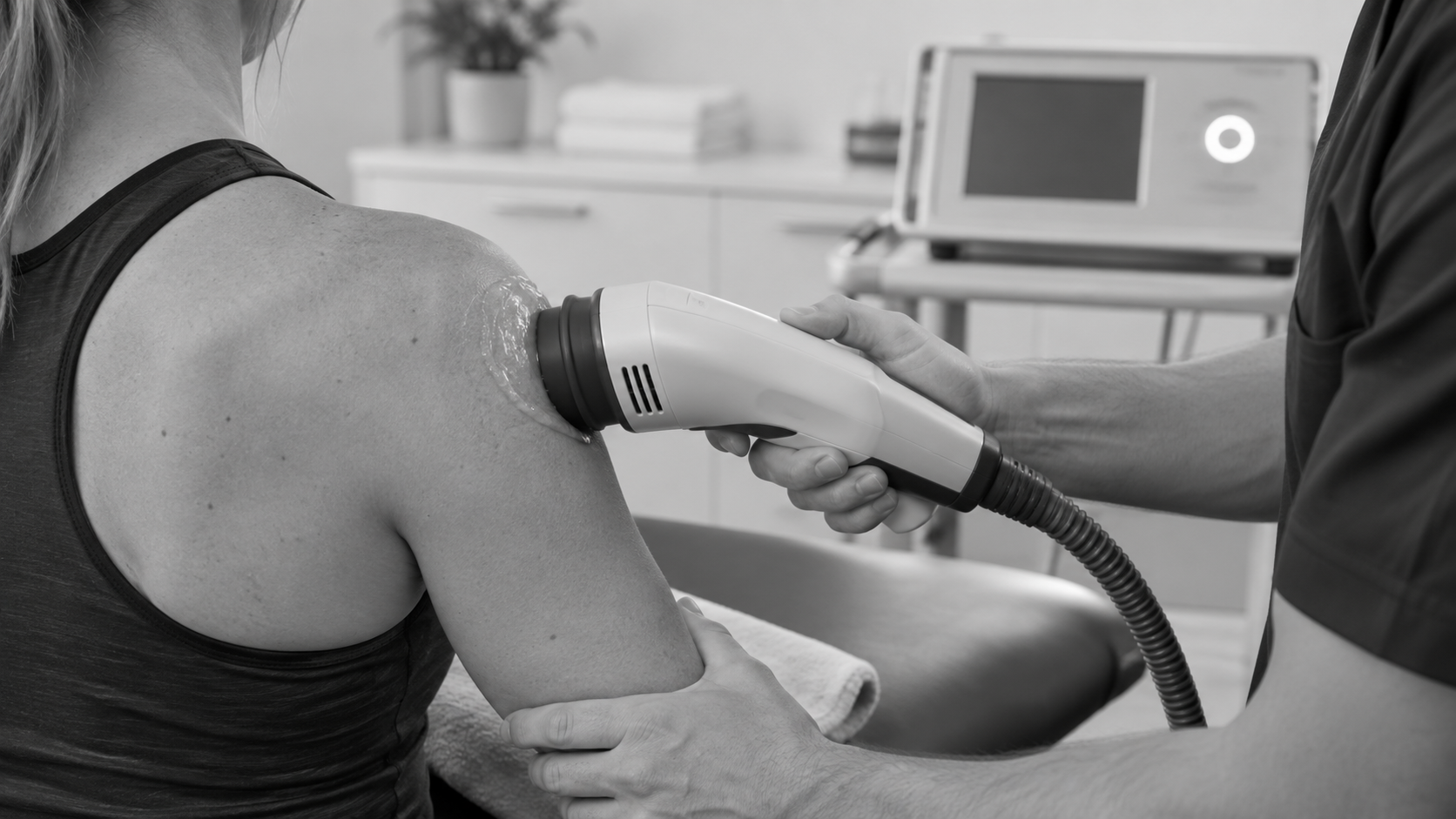
SoftWave therapy is a form of extracorporeal shockwave therapy that uses acoustic energy to stimulate biological responses in the body’s tissues. Unlike treatments that involve injections or surgical procedures, SoftWave delivers energy through a handheld applicator placed against the skin.
The technology is designed to encourage processes associated with tissue repair, circulation, and the body’s natural healing response. SoftWave uses electrohydraulic shockwaves distributed over a relatively broad treatment area, rather than concentrating all the energy into a single narrow point.
According to the manufacturer’s explanation of SoftWave technology, its distinctive method of generating and distributing acoustic energy is intended to treat both superficial and deeper tissues.
Patients exploring SoftWave therapy are often interested in addressing lingering pain or injuries that haven’t responded adequately to more familiar approaches such as rest, stretching, rehabilitation exercises, or other conservative treatments.
Although research into extracorporeal shockwave therapy supports its use for certain musculoskeletal conditions, effectiveness depends on the diagnosis, treatment technique, and individual patient. SoftWave shouldn’t be viewed as a guaranteed cure or a replacement for a proper medical assessment.
Why Burlington Residents Might Need to Look Toward Oakville
Burlington has an established network of chiropractic offices, physiotherapy clinics, massage therapists, and sports rehabilitation providers. However, not every clinic offering these services has invested in specialized SoftWave equipment.
It’s also important to distinguish between clinics advertising general shockwave therapy and those offering the specific SoftWave system. They aren’t necessarily using the same equipment or producing acoustic energy in the same way.
Someone searching online for “SoftWave therapy Burlington” may therefore have better luck expanding the search to include nearby Oakville providers rather than limiting the results to Burlington addresses.
Geographically, this makes sense. Burlington and Oakville are neighbouring communities connected by the Queen Elizabeth Way, Lakeshore Road, and several other major routes. For residents of eastern Burlington, particularly around Appleby Line, Burloak Drive, and the surrounding neighbourhoods, parts of Oakville may be just as convenient as travelling across Burlington itself.
Foundation Chiropractic Co. is located at 584 Ford Drive, Unit 4, Oakville, near Cornwall Road. The location is accessible from the QEW corridor, making it a practical destination for Burlington residents seeking a specific treatment not easily found nearby.
What Types of Problems Might SoftWave Therapy Help Address?
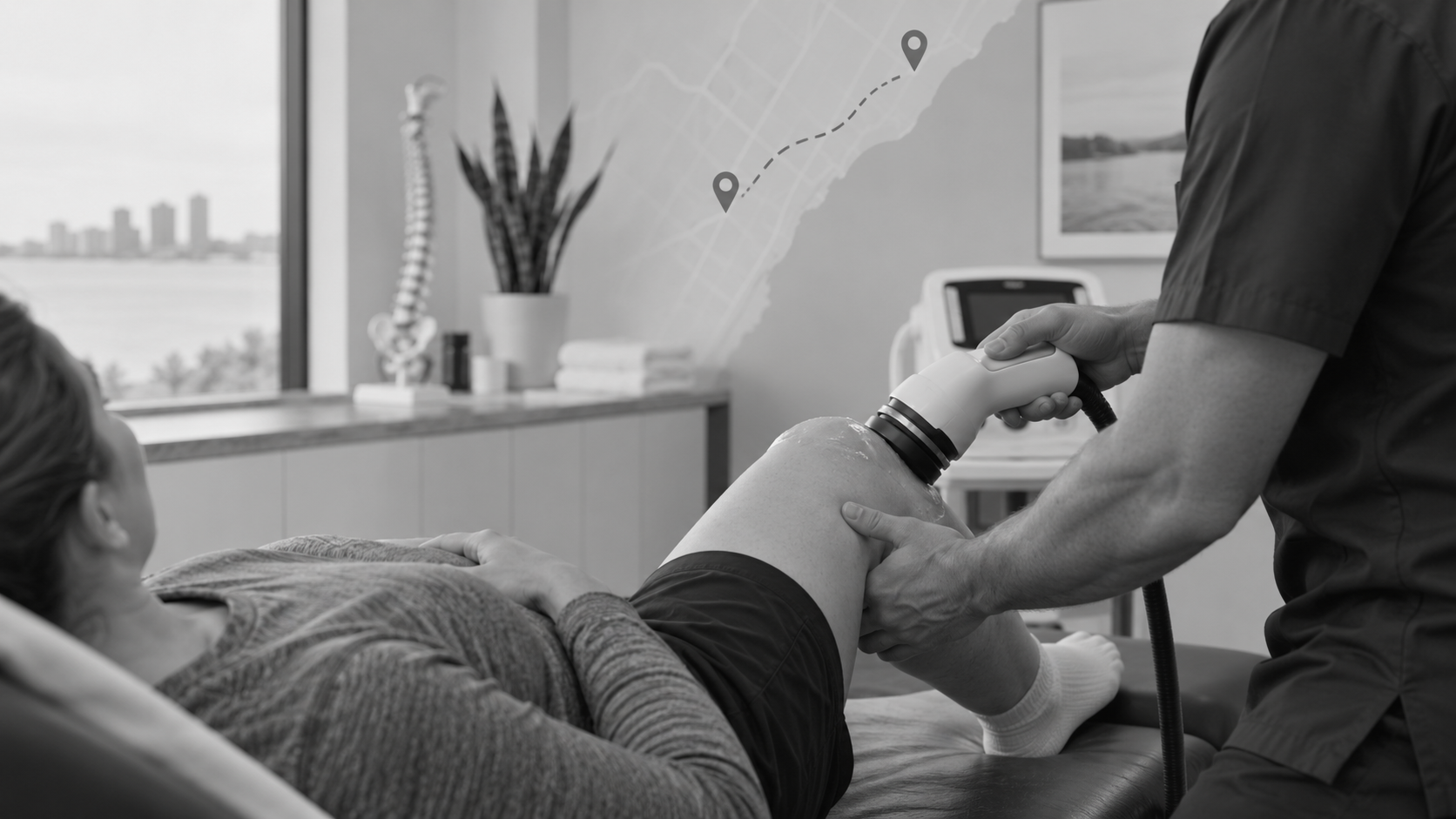
SoftWave therapy is commonly marketed for musculoskeletal pain, particularly problems involving tendons, joints, and other soft tissues. Some conditions people investigate it for include:
- Plantar fasciitis: Persistent heel pain, often noticeable during the first steps of the morning or after extended periods of standing.
- Shoulder and rotator cuff problems: Pain or restricted movement associated with certain tendon injuries and overuse conditions.
- Tennis elbow and golfer’s elbow: Tendon-related discomfort that can interfere with gripping, lifting, and repetitive arm movements.
- Achilles tendinopathy: Ongoing irritation or pain involving the tendon connecting the calf muscles to the heel.
- Knee pain: Certain tendon-related conditions that may affect walking, exercising, or climbing stairs.
- Sports and overuse injuries: Persistent discomfort associated with repeated physical activity or strain.
Shockwave treatments have been investigated for several of these conditions. For example, the Cleveland Clinic identifies extracorporeal shockwave therapy as one treatment option for calcific tendonitis, a condition that frequently affects the shoulder.
That doesn’t mean every case of shoulder pain or tendon irritation should receive SoftWave therapy. Proper assessment matters because similar symptoms can have very different causes.
For Burlington residents who enjoy walking along the waterfront, cycling local trails, golfing, gardening, or participating in recreational sports, unresolved pain can interfere with everyday activities. Exploring additional treatment options may be worthwhile when an injury continues to limit mobility or function.
SoftWave Therapy Versus Traditional Shockwave Therapy
One detail worth understanding before booking is that “shockwave therapy” describes a broader category of treatments, rather than a single machine or standardized procedure.
Different devices generate and distribute acoustic energy differently. Some use radial pressure waves, while others generate focused or broader electrohydraulic shockwaves.
SoftWave is an electrohydraulic system designed to distribute acoustic energy across a broader area of tissue. That makes it different from some of the radial shockwave machines commonly found in rehabilitation clinics.
However, differences in equipment don’t automatically mean one method is best for every injury. The most appropriate treatment depends on the condition being addressed, the available clinical evidence, and the provider’s assessment.
For additional background, Foundation Chiropractic Co. has published an article explaining the history of extracorporeal shockwave therapy and how this category of treatment developed from earlier medical applications.
What Should You Expect From a SoftWave Appointment?
One advantage of investigating a non-invasive treatment is that you can often explore whether it’s appropriate without committing to a major procedure.
At Foundation Chiropractic Co., the initial SoftWave experience includes an assessment of the problem area and a discussion about whether the treatment may be suitable.
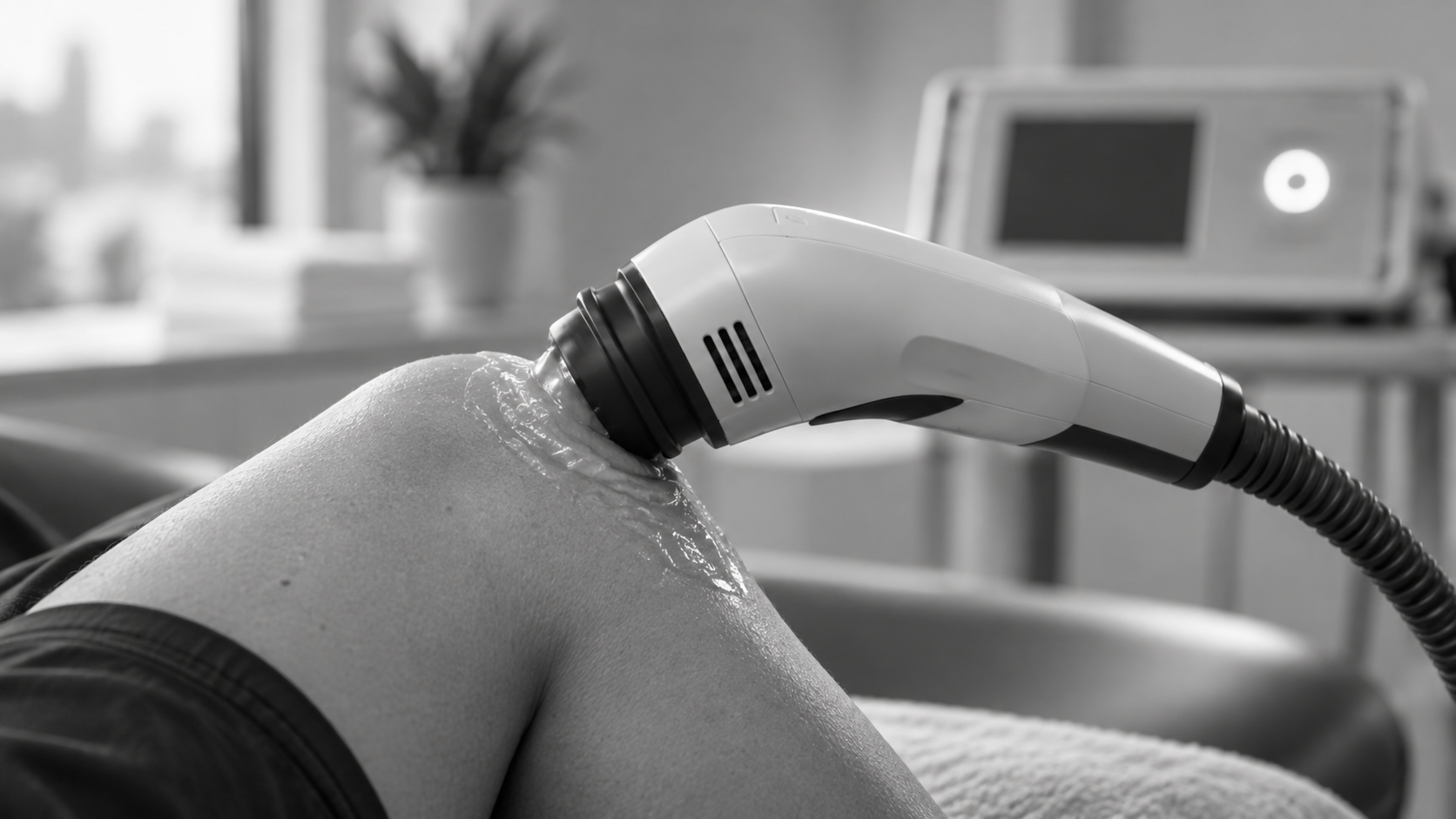
During a typical SoftWave session, the practitioner applies a handheld device to the affected region, using a coupling gel to transmit acoustic energy into the tissues.
Patients may feel a series of rapid pulses or tapping sensations. Some areas can be more sensitive than others, particularly where there is existing pain or irritation. The practitioner can discuss what sensations to expect and whether treatment intensity needs adjustment.
Because the procedure doesn’t involve incisions, treatment generally doesn’t require the recovery period associated with surgery. Nevertheless, some people experience temporary soreness, tenderness, or redness after shockwave treatment.
The Royal National Orthopaedic Hospital’s patient guide to radial shockwave therapy provides useful general information about treatment considerations, possible side effects, and questions patients should discuss with their healthcare providers. Radial shockwave therapy uses different equipment from SoftWave, so individual treatment protocols may differ.
Before beginning treatment, patients should also discuss their medical history, existing conditions, and any circumstances that could make shockwave treatment unsuitable.
Why Foundation Chiropractic Co. Is Worth Considering
For Burlington residents specifically seeking SoftWave rather than general shockwave treatment, Foundation Chiropractic Co. offers several practical advantages.
First, the Oakville clinic has invested in the specialized SoftWave technology. Patients looking for this particular system can confirm they’re visiting a provider that advertises the treatment, rather than assuming any clinic offering shockwave services has identical equipment.
Second, Foundation Chiropractic Co. combines SoftWave services with an established chiropractic practice. The clinic’s approach includes patient assessments and individualized recommendations, allowing discussions about pain, mobility, and the possible role of treatment within a broader care plan.
Third, the Ford Drive location is convenient to Burlington’s eastern communities. The clinic isn’t buried deep within Toronto or located on the opposite side of the Greater Toronto Area. It’s in the next city over.
For patients who may need multiple appointments, convenience is an important consideration. A treatment option isn’t especially useful if the travel requirements make it difficult to attend consistently.
Questions Worth Asking Before Booking
Before scheduling a SoftWave appointment in Oakville, Burlington residents should understand what they’re considering and what the treatment involves.
Useful questions include:
- Is SoftWave appropriate for my particular injury or symptoms?
- How many treatment sessions might be recommended?
- What is the cost of the initial assessment and subsequent appointments?
- Are there any medical reasons I should avoid shockwave treatment?
- Should SoftWave be combined with strengthening exercises, physiotherapy, or other rehabilitation?
- How will we determine whether treatment is helping?
It’s particularly important to have realistic expectations. Some people may notice improvement relatively quickly, while others require additional treatments or may not respond as hoped.
Patients should also confirm whether their extended health benefits cover any portion of the services. Coverage can depend on the insurance policy, provider qualifications, and how the treatment is billed.
Sometimes the Best Local Option Is Just Outside Burlington
Living in Burlington doesn’t mean every healthcare appointment needs to take place within Burlington’s city limits.
For specialized services, the better approach is often to look at the surrounding region. Oakville, Hamilton, Milton, and other nearby communities can all expand the available choices without requiring an unreasonable trip.
SoftWave therapy is a good example. Someone dealing with persistent tendon pain or a recurring musculoskeletal problem might spend considerable time searching for the exact treatment in Burlington, even though an established provider is available a short distance away in Oakville.
Foundation Chiropractic Co. provides Burlington residents with access to SoftWave therapy at its Oakville clinic, without the need to travel into Toronto or farther across the GTA.
Anyone considering the treatment can review Foundation Chiropractic Co.’s SoftWave therapy information to learn more about the technology, potential applications, and the clinic’s appointment process.
For Burlington residents exploring non-invasive treatment options for stubborn pain or injuries, it’s one more reason to consider looking just a little farther east.
Softwave Treatments Near Burlington: