What NOT to Store in Storage Units
Restrictions on What Can Be Stored in a Storage Unit
Knowing what you can and cannot store in a storage unit helps avoid fines, damage, or loss. Storage facilities enforce rules to protect their property and other customers. Ignoring these restrictions can lead to eviction or liability issues.
Prohibited items in storage units
Storage units typically ban items that pose safety risks or legal issues. Common prohibitions include explosives, firearms, illegal substances, and flammable materials. These items can cause fires, explosions, or legal complications for the facility.
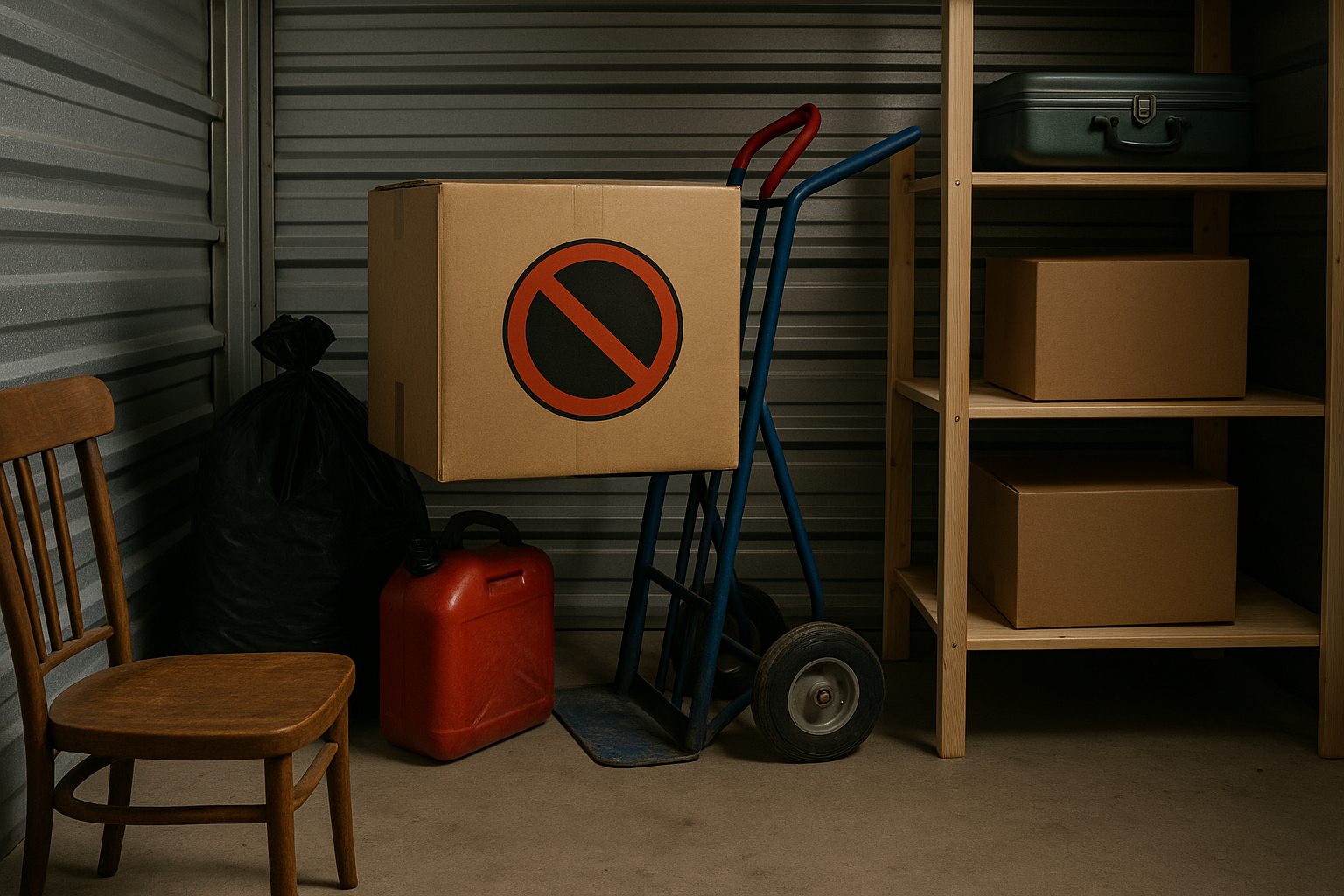
A frequent mistake is attempting to store gasoline, propane tanks, or fireworks. Even small amounts of these can trigger strict penalties or immediate eviction. Storage companies must comply with local fire codes, which often prohibit these materials.
Hazardous materials and storage unit policies
Hazardous materials require special handling and are usually not allowed in standard units. This includes chemicals, paints, solvents, and pesticides. Improper storage of these substances risks leaks and contamination.
Some facilities offer climate-controlled or specialized units for certain hazardous items, but these come with strict guidelines. Failure to disclose hazardous materials can void insurance and lead to fines.
Perishable goods and storage limitations
Perishable items like food, plants, or live animals are generally banned from storage units. These goods can spoil, attract pests, or create odors that affect other units. Even refrigerated items are not suitable unless the unit is specifically designed for that purpose.
Storing perishables can lead to health hazards and costly cleaning fees. Facilities often inspect units periodically and may remove prohibited items without notice.
Insurance considerations for stored items
Insurance policies for storage units often exclude coverage for prohibited or hazardous items. If these items cause damage or loss, the owner may bear full responsibility. It is crucial to check policy terms before storing valuable or sensitive goods.
These factors are part of broader storage unit restrictions that ensure safety and compliance.
Security measures affecting what can be stored
Some insurance providers require a detailed inventory and proof that stored items comply with facility rules. Ignoring these requirements can result in denied claims. Understanding insurance limitations helps prevent financial loss.
Security systems at storage facilities influence what items are acceptable. High-value or sensitive items may require additional security features like monitored units or restricted access. Facilities may limit storage of valuables to reduce theft risk.
Storage units with basic security might not be suitable for items like electronics, jewelry, or important documents. Choosing the right unit based on security needs helps protect possessions. Some facilities also prohibit items that attract criminal activity.
Common mistakes and best practices
Ignoring storage rules can cause serious problems. Many renters store prohibited items without realizing the risks. This can lead to eviction, fines, or loss of belongings. It is important to review facility policies carefully.
Following self storage dos and donts helps avoid these issues. Proper packing, clear labeling, and honest disclosure of contents improve security and insurance outcomes.
Final considerations
Choosing what to store requires understanding facility rules and potential risks. Avoid prohibited, hazardous, and perishable items to prevent complications. Verify insurance coverage and security features before renting a unit.
Taking these steps protects your belongings and ensures a smooth storage experience.